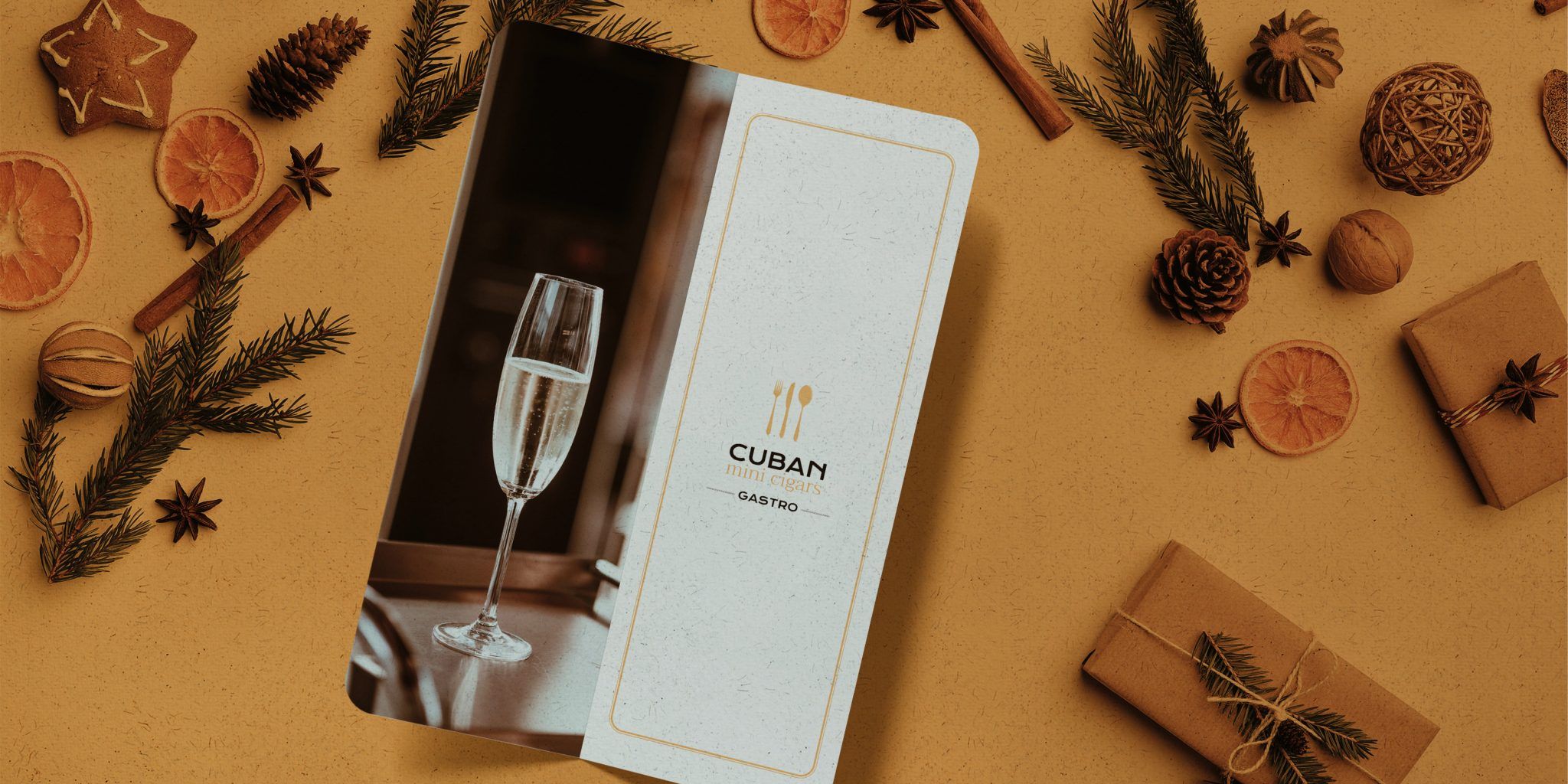
If there’s one drink synonymous with luxury and celebration worldwide, it’s champagne. In December, as Christmas lights twinkle and dinner tables overflow with delicacies, this sparkling jewel takes centre stage.
Known as the “king of wines,” champagne originates from the Champagne region in northeastern France. It was in the 17th century that the process for creating this exquisite, bubbly elixir was perfected. The name of Benedictine monk Dom Pérignon is one of the most iconic associated with the creation of champagne as we know it today. He is credited with developing the technique of blending different grape varieties to achieve a balanced, refined wine with persistent bubbles, setting it apart from other sparkling wines.
The distinction of champagne among other premium beverages lies in its production method, known as méthode champenoise, which includes a second fermentation in the bottle that creates the characteristic bubbles. The French wine region of Champagne has an Appellation d’Origine Contrôlée (AOC), meaning that only sparkling wines produced under strict regulations can bear the name champagne.
The three main grapes used to produce champagne are Chardonnay, Pinot Noir, and Pinot Meunier, each contributing unique nuances in body, freshness, and complexity. While all champagnes share that hallmark of sparkling elegance, there are various types depending on the grapes used and their level of sweetness.
Brut is the most popular type—balanced and dry, but with a hint of sweetness that makes its fruity notes shine. Brut Nature is the driest champagne, with barely any added sugar, ideal for those seeking a pure taste. Demi-Sec, on the sweeter side, pairs perfectly with desserts or as a relaxed indulgence. And the Rosé, with its pale pink hue and fruity aromas, offers an extra touch of freshness and sophistication—perfect for pairing with appetizers or white meats.
How about a toast on Christmas Eve with a touch of distinction? One excellent way to elevate the experience even further is to pair it with a Cuban mini cigar, like the Cohiba Wide Short. Its moderate intensity and aromatic notes are a perfect complement to champagne.
Here’s to Christmas, to dreams fulfilled, and to those yet to come.
Cheers!